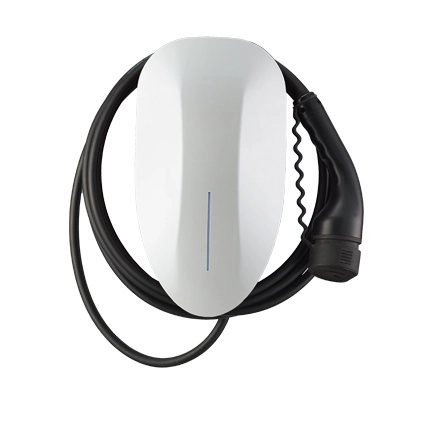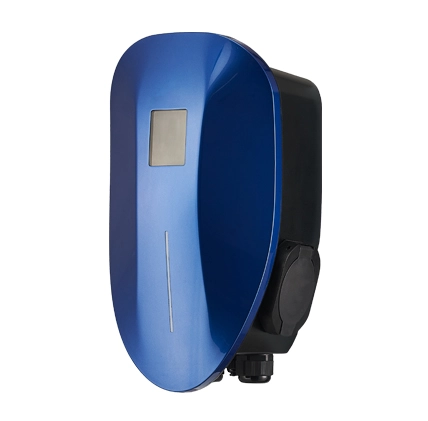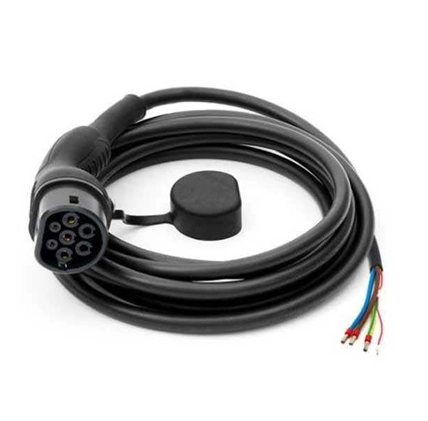


Many EV owners install a wallbox 7.2 kW charger expecting their vehicle to charge at the full 7.2 kW rate. However, they are often surprised to discover that the charging session proceeds at only 3.6 kW, 6.6 kW, or another lower rate.
The reason is simple: the charging speed is not determined solely by the charger mounted on your wall. The vehicle's onboard charger (OBC) often becomes the limiting factor.
Understanding how onboard chargers work can help EV buyers avoid costly purchasing mistakes, select the right charging equipment, and maximize charging efficiency at home.
What Is an EV Onboard Charger?
The onboard charger (OBC) is an electronic system installed inside every electric vehicle that converts alternating current (AC) from a charging station into direct current (DC) that can be stored in the battery.
When using a:
7.2 kW AC fast charger
7.2 kW AC wallbox charger
Public AC charging station
Residential AC charging point
the electricity must first pass through the vehicle's onboard charger before reaching the battery.
The onboard charger essentially acts as a gatekeeper that determines how much AC power the vehicle can accept.
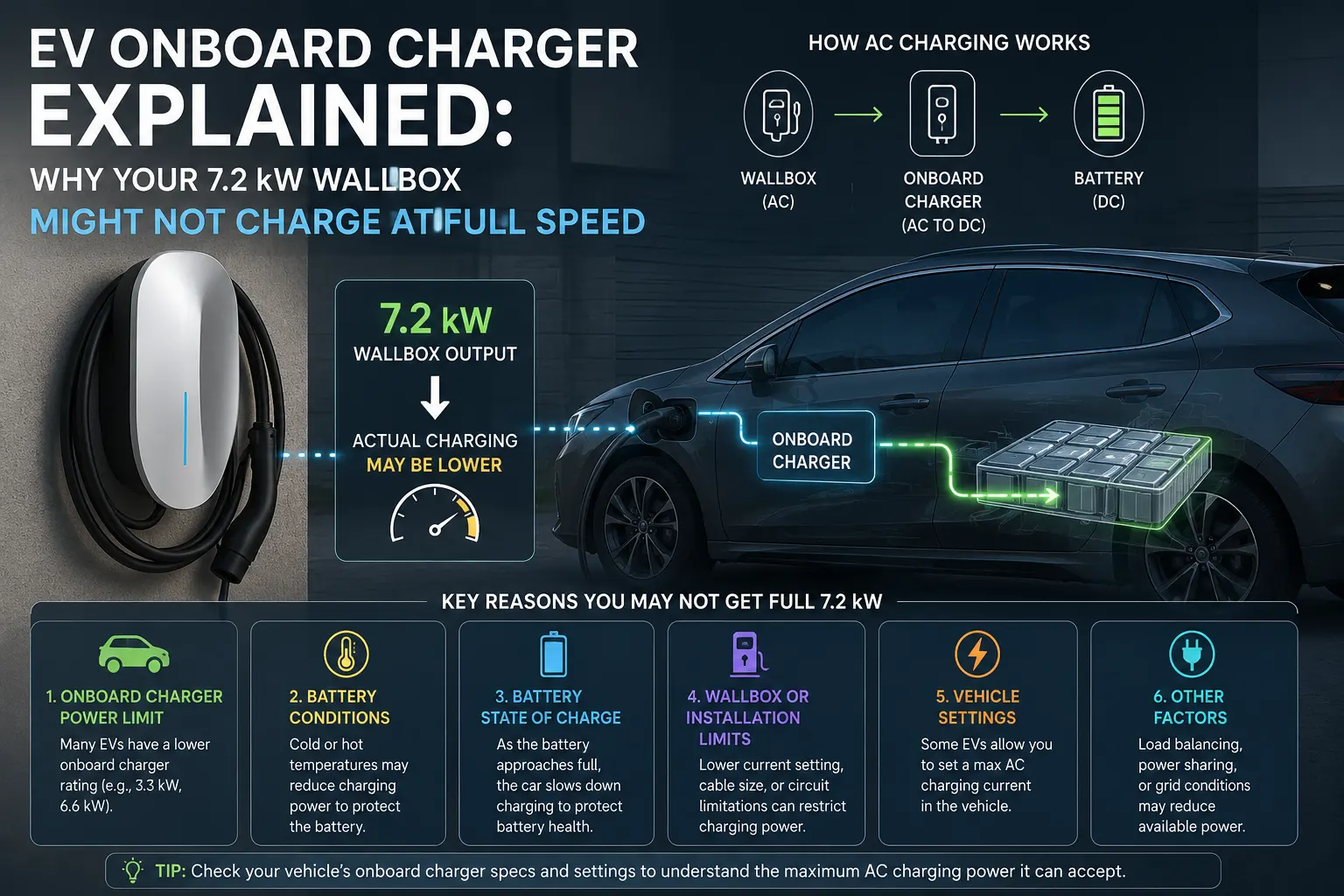
How AC Charging Actually Works
Many EV drivers mistakenly believe the wallbox itself controls charging speed.
In reality, the charging process follows this path:
Grid Power → Wallbox → Vehicle Onboard Charger → Battery
The wallbox supplies available power.
The onboard charger decides how much power can actually be used.
For example:
| Component | Maximum Power |
Home Charger | 7.2 kW |
Vehicle OBC | 3.6 kW |
Actual Charging Speed | 3.6 kW |
Even though the charger can provide 7.2 kW, the vehicle can only accept 3.6 kW.
The unused charging capacity simply remains unavailable.
Why Your 7.2 kW Wallbox May Charge More Slowly Than Expected
Several factors can prevent a 7.2 kW home charger from reaching its rated output.
Reason 1: Vehicle Onboard Charger Limitations
This is the most common reason.
Many vehicles have onboard chargers with maximum AC charging capacities such as:
| Vehicle OBC Rating | Maximum AC Charging Speed |
3.3 kW | 3.3 kW |
3.6 kW | 3.6 kW |
6.6 kW | 6.6 kW |
7.2 kW | 7.2 kW |
11 kW | 11 kW |
22 kW | 22 kW |
If your vehicle contains a 3.6 kW onboard charger, a 7.2 kW AC charger will not make charging any faster.
Reason 2: Single-Phase Electrical Supply Limitations
Most residential 7.2 kW chargers operate using:
Single-phase power
230V supply
32A current
If local electrical infrastructure cannot consistently deliver the required current, charging speeds may be reduced.
This can occur in:
Older homes
Apartment buildings
Rural properties
Shared electrical systems
Reason 3: Battery Temperature Management
EV batteries operate most efficiently within specific temperature ranges.
When batteries become:
Extremely cold
Extremely hot
the Battery Management System (BMS) may automatically reduce charging power to protect battery health.
This means a 7.2 kW AC wallbox charger may temporarily deliver less than its rated power despite functioning correctly.
Reason 4: State of Charge (SOC)
Charging power often decreases as the battery approaches full capacity.
A typical charging curve may look like this:
| Battery Level | Charging Behavior |
10%-70% | Maximum charging rate |
70%-90% | Gradual reduction |
90%-100% | Significant reduction |
This protective strategy helps prolong battery lifespan.
As a result, users may observe lower charging rates near the end of the charging session.
Reason 5: Dynamic Load Balancing
Modern smart chargers often incorporate load management features.
If household electricity demand rises due to:
Air conditioners
Electric ovens
Water heaters
Heat pumps
the charger may automatically reduce charging power to prevent overloading the home's electrical system.
This safety feature is common in premium wallbox products.
Understanding 3.6 kW, 6.6 kW, and 7.2 kW Onboard Chargers
The following comparison illustrates why charger selection should always begin with vehicle specifications.
| OBC Rating | Charging Speed on 7.2 kW Charger |
3.6 kW | 3.6 kW |
6.6 kW | 6.6 kW |
7.2 kW | 7.2 kW |
Example 1
Vehicle OBC: 3.6 kW
Installed charger: wallbox 7.2 kW
Actual charging speed: 3.6 kW
Result: No charging speed improvement compared with a 3.6 kW charger.
Example 2
Vehicle OBC: 7.2 kW
Installed charger: 7.2 kW AC fast charger
Actual charging speed: 7.2 kW
Result: Full utilization of charger capability.
Is It Worth Buying a 7.2 kW Charger If My Current EV Only Supports 3.6 kW?
In many cases, yes.
Many homeowners install a 7.2 kW home charger for future-proofing.
Benefits include:
Support for future EV upgrades
Increased property charging capability
Better resale value
Compatibility with visiting vehicles
The additional upfront cost is often relatively small compared to the overall installation expense.
7.2 kW Wallbox vs. 11 kW Wallbox
Many buyers compare 7.2 kW and 11 kW chargers when planning a home charging installation.
| Feature | 7.2 kW Charger | 11 kW Charger |
Electrical Supply | Single-phase | Three-phase |
Installation Complexity | Lower | Higher |
Installation Cost | Lower | Higher |
Home Compatibility | Excellent | Limited |
Charging Speed | Fast | Faster |
Future-Proofing | Good | Excellent |
For most residential users with single-phase electricity, a 7.2 kW AC charger remains the most practical solution.
How to Check Your Vehicle's Onboard Charger Rating
Before purchasing a charger, verify:
Vehicle Manufacturer Specifications
Look for:
AC charging power
Onboard charger capacity
Maximum charging current
Charging Port Documentation
Vehicle manuals typically list:
Maximum AC charging rate
Supported charging standards
Single-phase or three-phase compatibility
Dealer Confirmation
For newer EV models, dealers can often provide exact onboard charger specifications.
This simple step can prevent selecting a charger that exceeds the vehicle's charging capability.
What Features Should You Look for in a 7.2 kW Home Charger?
Beyond charging speed, several features significantly impact long-term value.
Smart Scheduling
Allows charging during lower electricity tariff periods.
Dynamic Load Balancing
Protects household electrical systems.
RFID Authentication
Controls charger access.
App Connectivity
Provides:
Charging history
Energy consumption data
Remote scheduling
Status notifications
Built-In Electrical Protection
Look for:
Overcurrent protection
Surge protection
Ground fault detection
Leakage current monitoring
These features often contribute more to user satisfaction than charger power alone.
Frequently Asked Questions
Why is my 7.2 kW charger only charging at 3.6 kW?
The most common reason is that your vehicle's onboard charger is limited to 3.6 kW AC charging.
Does a wallbox control charging speed?
Only partially. The charger provides available power, but the vehicle's onboard charger determines how much power can actually be accepted.
Can a 7.2 kW charger damage a vehicle with a 3.6 kW onboard charger?
No. The vehicle automatically limits charging to its maximum supported rate.
Is a 7.2 kW AC charger sufficient for most homes?
Yes. A 7.2 kW AC charger is widely considered the optimal balance between charging speed, installation cost, and residential electrical compatibility.
Should I buy a 7.2 kW charger even if my current EV charges slower?
For many homeowners, yes. A 7.2 kW home charger provides flexibility for future vehicle upgrades and broader compatibility.
Final Thoughts
A wallbox 7.2 kW charger can provide excellent residential charging performance, but achieving full charging speed depends on much more than the charger itself. The vehicle's onboard charger, battery management system, electrical infrastructure, and charging conditions all influence real-world charging performance.
Before purchasing a 7.2 kW AC wallbox charger, always verify your EV's onboard charger specifications. Understanding this critical relationship helps ensure you select the right charging solution, avoid unnecessary costs, and maximize the long-term value of your EV charging investment.
Related Circuit Protection Device From Religare