


Installing an electric vehicle (EV) charger requires more than selecting the correct charging power. A reliable charging installation also needs appropriate overcurrent protection, residual-current protection and, where necessary, voltage regulation.
For residential charging stations, commercial parking facilities and EV infrastructure projects, choosing the right EV charger protection components helps reduce electrical risks and supports stable operation. MCBs, RCCBs and voltage stabilizers perform different functions and should be selected according to the electrical installation, charger specifications and local regulations.
Religare Electric provides AC EV chargers and electrical protection products, including MCBs, RCCBs and voltage stabilizers. This guide explains how these components work together and what buyers should consider when planning a charging system.
Why Does an EV Charger Need a Dedicated Electrical Protection System?
An EV charger protection system is a combination of electrical devices and safety functions designed to protect the charging circuit, equipment and users against defined electrical faults.
EV charging equipment can operate at relatively high current levels for extended periods. An incorrectly sized circuit, insulation fault or unstable supply voltage may create risks for the charger and electrical installation.
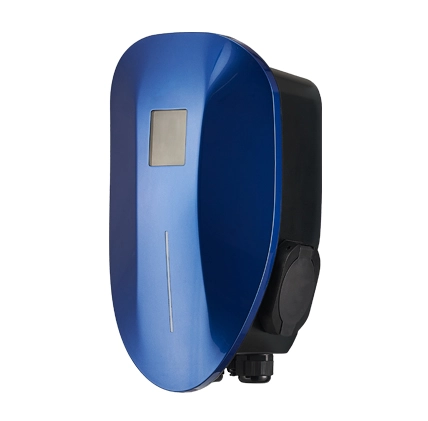
For example, Religare's published 7.2 kW AC EV Charger Tethered Wallbox specifications include:
Rated supply: AC 240 V, single phase
Listed rated current: 32 A
Charging power: 7.2 kW
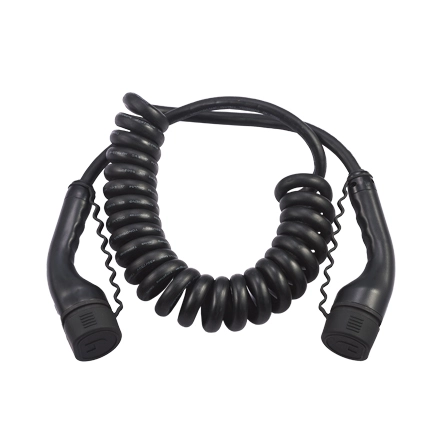
Connector: Type 2 / IEC 62196-2
Protection level: IP55
Working temperature: -20°C to +50°C
The product information also lists overvoltage, undervoltage, overcurrent, short-circuit and leakage protection functions. These are charger-level features and do not automatically replace the external protective devices required by the installation.
The IEC 61851-1 standard establishes general requirements for conductive EV charging equipment, including operating conditions, connections and electrical safety.
Before selecting protection components, engineers should verify the charger's nameplate ratings, manufacturer instructions, supply characteristics and local electrical installation requirements.
What Is the Difference Between MCB, RCCB and Voltage Stabilizer?
An MCB protects against overload and short-circuit currents, an RCCB detects residual-current faults, and a voltage stabilizer regulates supply voltage within its specified operating range.
Although these devices may be installed within the same electrical distribution system, they do not perform interchangeable functions.
| Device | Main function | Protection or control purpose |
|---|---|---|
| MCB | Overcurrent interruption | Protects wiring and circuits against overload and short circuits |
| RCCB | Residual-current detection | Helps protect against electric shock and earth-leakage hazards |
| Voltage Stabilizer | Voltage regulation | Maintains output voltage within its specified regulation range |
| RCBO | Combined overcurrent and residual-current protection | Combines MCB and RCCB functions in one device |
An MCB should be selected according to circuit current, cable capacity, breaking capacity and fault conditions. An RCCB requires appropriate sensitivity, current rating and residual-current detection type.
A voltage stabilizer is not a substitute for an MCB, RCCB or surge protective device. It addresses voltage fluctuations rather than providing all forms of electrical fault protection.
Religare Electric supplies MCB circuit breakers and other electrical protection components for different installation requirements.
How Should You Select an MCB for a 7.2 kW AC EV Charger?
MCB selection for an EV charger involves matching the breaker rating, tripping characteristics and breaking capacity to the charger's electrical load and the installation's cable and fault conditions.
A 7.2 kW AC charger is commonly associated with a single-phase supply. Religare's published wallbox specifications list 240 V AC and 32 A rated current for its 7.2 kW model.
However, the breaker rating should not be selected simply by copying the charger's rated current. Engineers must consider continuous loading requirements, cable ampacity, ambient temperature, installation method and the manufacturer's instructions.
| Selection factor | What engineers should verify |
|---|---|
| Rated current | Charger input current and expected operating load |
| Number of poles | Supply arrangement and required isolation |
| Tripping curve | Load characteristics and expected fault conditions |
| Breaking capacity | Prospective short-circuit current at the installation point |
| Cable compatibility | Cable current capacity and installation conditions |
| Coordination | Compatibility with upstream and downstream protective devices |
For example, Religare's published NDDB1-63 MCB range includes rated current options from 1 A to 63 A, depending on pole configuration and tripping type. Its product information lists breaking capacities of 4,000 A or 4,500 A for different configurations. These are model-specific specifications, not a recommendation that every 7.2 kW charger should use a particular breaker.
Why Is RCCB Protection Important for EV Charging?
An RCCB is a residual-current protective device that detects an imbalance between outgoing and returning current and disconnects the circuit when the specified residual-current threshold is exceeded.
During EV charging, insulation faults or leakage currents may create dangerous conditions. Appropriate residual-current protection is therefore an important part of EV charging installation design.
However, EV charging requires particular attention to smooth DC residual currents, which can affect the operation of certain AC-type residual-current devices.
Under IEC 60364-7-722:2018, EV charging connection points require residual-current protection with a rated residual operating current not exceeding 30 mA, with appropriate DC fault-current protection.
The standard identifies protection approaches including:
Type B RCD protection.
Type A RCD combined with an RDC-DD complying with IEC 62955.
Type F RCD combined with an RDC-DD complying with IEC 62955.
The IEC 62955 standard specifies residual direct-current detecting devices for permanently connected AC EV charging stations using Mode 3 charging.
The actual arrangement depends on the charger design. Some EV charging equipment incorporates DC leakage detection, so engineers should verify the manufacturer's documentation before deciding whether additional external protection is required.
Religare Electric's RCCB product range provides options for evaluating residual-current protection in electrical installations.
When Should You Use a Voltage Stabilizer for an EV Charger?
A voltage stabilizer for an EV charger is an optional voltage-regulation device used when the incoming supply experiences fluctuations beyond the charger's acceptable operating conditions.
A stabilizer can help maintain a more consistent output voltage when the input supply varies within the stabilizer's specified correction range. This may be relevant in locations with unstable electrical networks, rural installations or facilities with significant voltage variation.
However, not every EV charger installation requires an external stabilizer. First, compare the actual supply voltage with the charger's permitted input range. If the supply remains within the manufacturer's operating limits, adding a stabilizer may not provide a necessary benefit.
| Application condition | Stabilizer consideration |
|---|---|
| Stable residential supply | May not be necessary |
| Frequent undervoltage | Evaluate suitable voltage regulation |
| Frequent overvoltage | Assess stabilizer range and upstream protection |
| Commercial charging facility | Evaluate supply quality under simultaneous loads |
| Three-phase charging installation | Check phase balance and compatible three-phase equipment |
Religare offers single-phase TND/SVC and three-phase DBW/SBW voltage regulation solutions. The appropriate model depends on input voltage range, output voltage, total load, phase arrangement and starting characteristics.
A voltage stabilizer should not be used to compensate for undersized wiring, poor connections or an improperly designed electrical supply.
How Can Buyers Configure a Complete EV Charger Protection Solution?
An EV charger protection configuration is the coordinated selection of charging equipment, circuit protection, residual-current protection and voltage regulation according to the actual installation requirements.
For a typical 7.2 kW single-phase wallbox project, buyers and installers should evaluate the following:
| Component | Main selection requirement |
|---|---|
| 7.2 kW AC EV charger | 240 V single-phase supply and charger compatibility |
| MCB | Appropriate current rating and breaking capacity |
| RCCB / RCD | Suitable residual-current sensitivity and DC protection arrangement |
| Voltage stabilizer | Required only when supply conditions justify voltage regulation |
| Wiring and earthing | Cable sizing, protective conductor and installation compliance |
Religare Electric provides EV chargers and complementary electrical protection products for residential and commercial applications.
When requesting a project quotation, provide the charger power, input voltage, rated current, installation country, supply conditions, cable specifications and required protection arrangement. This allows Religare to assess compatible product options rather than recommending components based on power rating alone.
Conclusion
Selecting the right EV charger protection solution requires understanding the different roles of MCBs, RCCBs and voltage stabilizers. MCBs address overcurrent faults, RCCBs provide residual-current protection, and voltage stabilizers regulate unstable supply voltage when required.
Religare Electric offers 7.2 kW AC EV chargers alongside MCB, RCCB and voltage stabilizer product ranges. By evaluating charger specifications and local electrical requirements together, buyers can develop a more appropriate charging protection configuration.
Planning an EV charging project? Contact Religare Electric with your charger rating, electrical supply details and protection requirements to discuss suitable products and request a project-specific quotation.
Frequently Asked Questions
1. What protection devices are needed for an EV charger?
An EV charging installation generally requires appropriate overcurrent and residual-current protection. Additional voltage regulation or surge protection may be necessary depending on the installation and local regulations.
2. Does a 7.2 kW EV charger require a 32 A MCB?
Not automatically. Breaker selection must consider the charger's actual rated current, continuous loading requirements, cable capacity, breaking capacity and applicable installation rules.
3. What is the difference between MCB and RCCB protection?
An MCB interrupts overload and short-circuit currents, while an RCCB detects residual-current imbalances. They protect against different electrical hazards.
4. Does every EV charger need a Type B RCCB?
No. Depending on the charger design and its DC residual-current detection functions, a Type B RCD or an appropriate Type A or Type F RCD combined with an RDC-DD may be suitable. Follow applicable standards and manufacturer instructions.
5. Is a voltage stabilizer necessary for a home EV charger?
Not always. It should be considered when supply voltage fluctuations exceed the charger's permitted operating range. Check the incoming voltage and charger specifications before adding a stabilizer.
6. What information should I provide when requesting an EV charger protection quotation?
Provide the charger power, rated voltage and current, phase arrangement, installation location, supply conditions, required MCB and RCCB specifications, and whether voltage regulation is needed. Religare can use these details to assess suitable configurations.
Related Circuit Protection Device From Religare